
The Allure of Chance and Risk
The thrill of chance and the unpredictability associated with gambling in casinos are powerful psychological draws for many individuals. The concept of risk versus reward plays a significant role in attracting players to the gaming floor. When individuals engage in gambling, they often experience a rush of adrenaline that is closely tied to their desire for victory. Many enjoy exploring options like neosurf online casino australia , where this rush can create a powerful emotional experience, often overshadowing the potential for losses. Many gamblers report feeling alive and energized, making the idea of losing seem less significant in the face of possible winnings.
Moreover, the allure of a jackpot or a significant win creates a compelling narrative in the mind of the gambler. This narrative often involves fantasizing about how life could change with a windfall, leading people to become emotionally invested in the outcome of each game. The potential for dramatic life changes, fueled by ambitions and dreams, can make casino environments intoxicating. Casinos are designed to amplify this excitement, using light shows, sounds, and an atmosphere that encourages people to stay longer and play more.
Psychologically, the concept of a “near win” can also reinforce the habit of gambling. When a player experiences an outcome that is close to winning, it can stimulate the brain’s reward system, releasing dopamine, a neurotransmitter associated with pleasure. This feeling can lead to a misconception that winning is just around the corner, encouraging individuals to gamble persistently. This cycle can foster an irrational belief that continued play will eventually bring about that elusive victory, making it a profound psychological phenomenon that casinos capitalize on.
The Influence of Environment
Casinos are meticulously designed to create an inviting environment that encourages prolonged engagement. Every aspect, from lighting to layout, is strategically orchestrated to create a sense of comfort and excitement. The absence of clocks and windows in many casinos serves to disorient patrons, making them lose track of time and stay longer than intended. This psychological manipulation ensures that players remain enveloped in the gaming experience, further increasing the likelihood of continued gambling.
Additionally, the sounds of coins clinking, slot machines ringing, and enthusiastic cheers create an auditory landscape that amplifies the thrill of the environment. This multisensory experience is intended to evoke feelings of excitement and euphoria, allowing players to become immersed in the moment. The positive reinforcement from other players, who might be celebrating wins, further enhances the communal atmosphere that can lead to increased gambling activity.
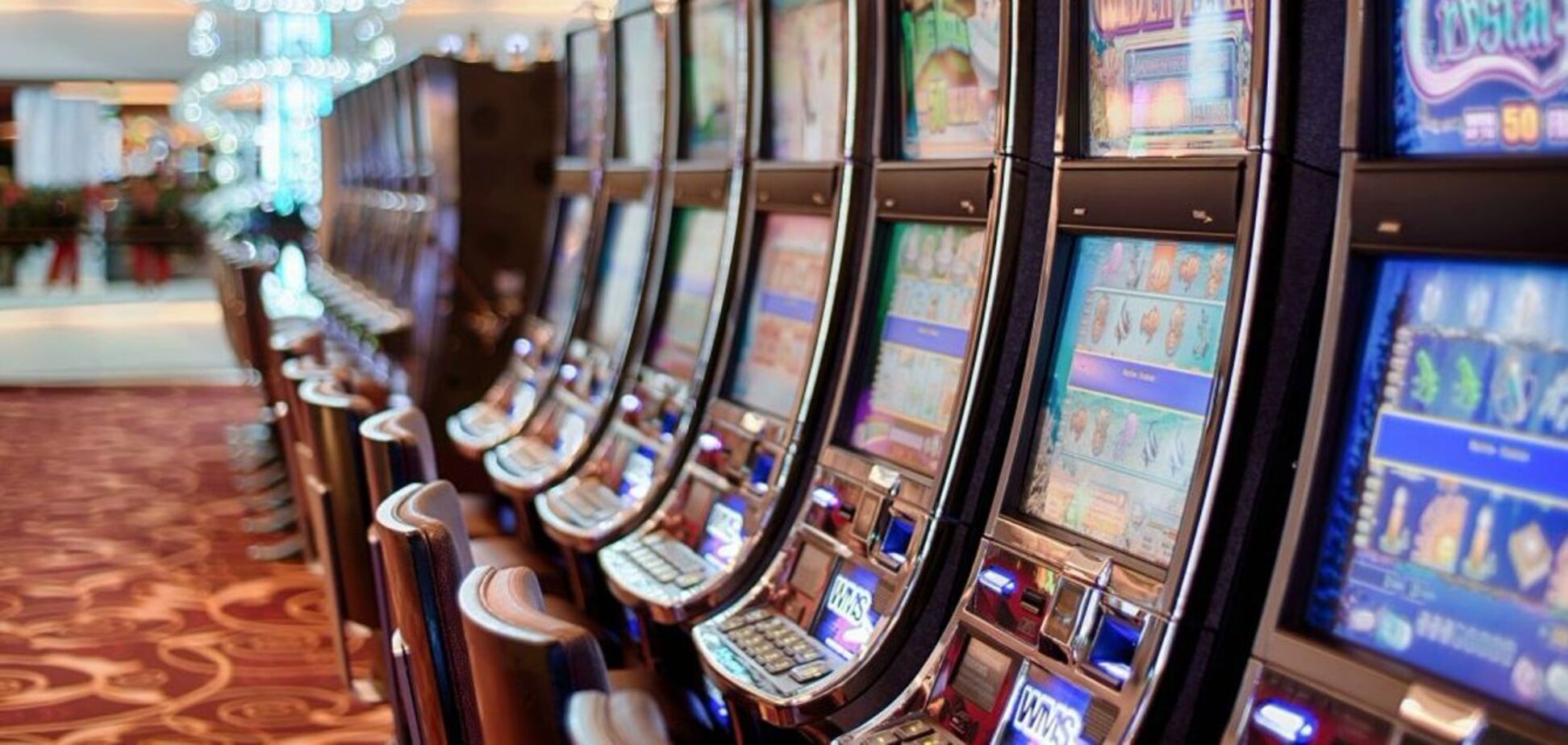
The role of visual stimuli cannot be understated either. Bright, vivid colors, and engaging graphics appeal to the player’s senses, creating a festive atmosphere that encourages engagement. These visual elements often induce feelings of happiness and optimism, which can cloud judgment regarding the risks involved. The environment of a casino is, therefore, a carefully crafted experience aimed at keeping players engrossed and encouraging them to take more financial risks, often without a full assessment of the potential consequences.
Addiction and Compulsive Behavior
The psychological concepts surrounding addiction and compulsive gambling are critical in understanding why some individuals become deeply entrenched in this activity. Gambling can lead to the development of pathological habits, with individuals prioritizing play over personal and financial responsibilities. The compulsive gambler may struggle to control their gambling behaviors due to the complex interplay of psychological factors such as impulsivity, excitement seeking, and a longing for escape.
Moreover, gambling addiction is often rooted in emotional and psychological issues. Individuals may turn to gambling as a means to cope with stress, anxiety, or depression, using it as a temporary escape from real-life problems. This can create a vicious cycle where the stress of losses leads to further gambling in an attempt to recover losses or achieve relief, often exacerbating financial and emotional despair.
Understanding the signs of gambling addiction is crucial in addressing the issue. Symptoms can include lying about gambling habits, neglecting responsibilities, and feeling anxious when trying to cut down. Recognizing these signs early can lead to intervention and support, helping individuals break free from the cycle of addiction. Insights into this psychological pattern are essential for developing effective strategies for gambling harm reduction and support systems for those affected.
The Role of Community and Social Interaction
Social interaction plays a significant role in the appeal of casino gambling. Many individuals are drawn to casinos not just for the games but also for the sense of community they can provide. The shared experience of playing games, celebrating wins, or commiserating over losses fosters a sense of belonging among players. This communal aspect can create a supportive atmosphere that encourages individuals to return to the casino, reinforcing their gambling habits.

Furthermore, participating in games with friends or family can enhance the enjoyment of gambling, making it less about the financial stakes and more about the social engagement. Group dynamics can alter perceptions of risk, as players may feel emboldened when surrounded by peers. The excitement shared in the group can lead players to take larger risks than they would if they were alone, blurring the lines between responsible and irresponsible gambling.
In addition, casinos often host events, tournaments, and promotions that encourage social interaction among patrons. These organized activities can create a festive atmosphere that draws in more players. The combination of competition and community can amplify the excitement of experiencing a win and create lasting memories that encourage individuals to return. This social component underlines the importance of community in the gambling experience and its ability to shape individual gambling behaviors.
Understanding Responsible Gambling
In light of the psychological complexities of gambling, fostering an understanding of responsible gambling practices is crucial. Education about the risks associated with gambling behaviors and the signs of addiction can empower individuals to make informed choices. Responsible gambling initiatives often focus on self-awareness, teaching players to recognize when their gambling habits may be becoming problematic.
Many casinos and online platforms are beginning to implement tools that help players track their spending and set limits on their gambling activities. These initiatives can serve as proactive measures to prevent the escalation of gambling habits and combat addiction. By promoting a culture of awareness and responsibility, casinos can help mitigate some of the adverse effects associated with gambling.
Furthermore, support resources for individuals struggling with gambling issues are becoming more prevalent. Access to counseling, support groups, and educational resources can provide essential assistance for those in need. Encouraging players to seek help when needed fosters a healthier approach to gambling, allowing individuals to partake in this activity without sacrificing their well-being.